
Indoor Plants Which Are Easy to Take Care Of
- Floret Team
- August 27, 2026
 17 minutes
Table Of Content
- What Makes an Indoor Plant Easy to Take Care Of?
- 12 Indoor Plants That Are Genuinely Easy to Take Care Of
- Match the Plant to Your Actual Home Conditions
- Do Any Indoor Plants Really Give Oxygen 24 Hours a Day?
- Common Mistakes That Kill Even the Easiest Plants
- Easy Doesn't Mean No Maintenance at All
- Final Thoughts
- Frequently Asked Questions
- Need Help Looking After Your Plants?
Keep your plants green with trusted gardening services.
What Makes an Indoor Plant Easy to Take Care Of?
An easy-care plant is not a plant that needs absolutely no attention. It is a plant that can tolerate the occasional mistake without immediately declining.
The best low maintenance indoor plants usually have four qualities:
- They tolerate infrequent watering.
- They can adapt to low or indirect light.
- They are relatively resilient to common indoor conditions.
- They grow slowly or steadily enough that a missed care routine does not cause immediate damage.
There is another factor that matters just as much as your home conditions.
A plant that is easy in a bright Mumbai apartment may struggle in a dark Pune bedroom. A plant that loves humidity may need different watering habits during the monsoon. And if you have a cat that likes chewing leaves, pet safety should be part of your decision from the beginning.
Here are 12 reliable options to consider.
12 Indoor Plants That Are Genuinely Easy to Take Care Of
1. Snake Plant
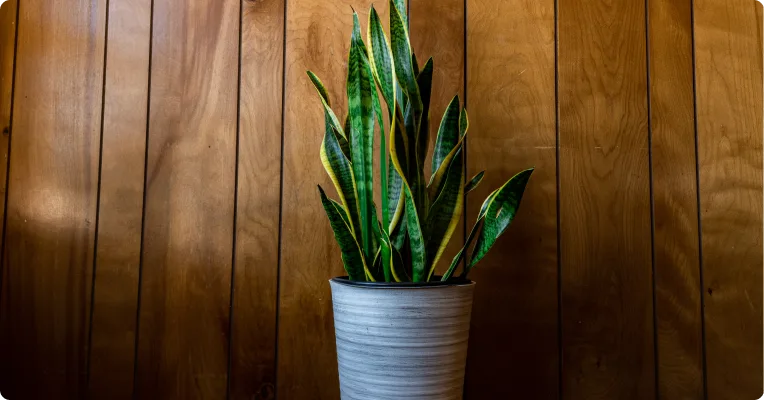
If you want a plant that can survive your forgetfulness, the Snake Plant is one of the first options to consider.
Why it’s easy: It stores water in its leaves and can tolerate periods of neglect. It is also adaptable to a wide range of indoor light conditions.
Light needs: Low to bright indirect light.
Watering: Roughly every 2 to 3 weeks, depending on light, temperature, pot size, and soil dryness.
Pet safety: Not pet-safe. The ASPCA lists Snake Plant as toxic to dogs and cats if ingested.
Best placement: Bedroom corners, living rooms, entryways, and offices with indirect light.
A common mistake is watering Snake Plants too frequently. If the soil is still damp, wait.
2. ZZ Plant
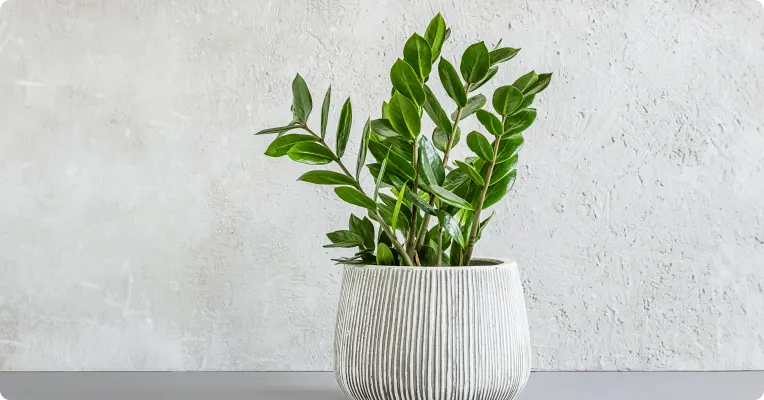
Why it’s easy: Its underground rhizomes store water, allowing it to cope with periods of dryness.
Light needs: Low to medium indirect light.
Watering: Approximately every 2 to 3 weeks, or when the soil has dried substantially.
Pet safety: Not pet-safe. ZZ Plants are among the common houseplants ASPCA identifies as potentially harmful to pets if chewed or ingested.
Best placement: Offices, bedrooms, hallways, and corners where natural light is limited.
3. Money Plant (Pothos)
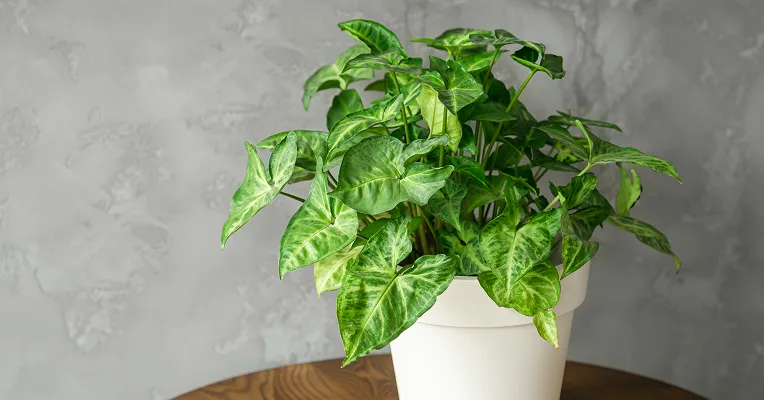
Why it’s easy: It grows in both water and soil, tolerates lower light, and can recover well from occasional neglect.
Light needs: Low to bright indirect light.
Watering: Usually around once a week, but check the soil rather than following the calendar blindly.
Pet safety: Not pet-safe. ASPCA lists Golden Pothos as toxic to dogs and cats because of insoluble calcium oxalates.
Best placement: Bookshelves, hanging planters, desks, and balconies with filtered light.
4. Peace Lily
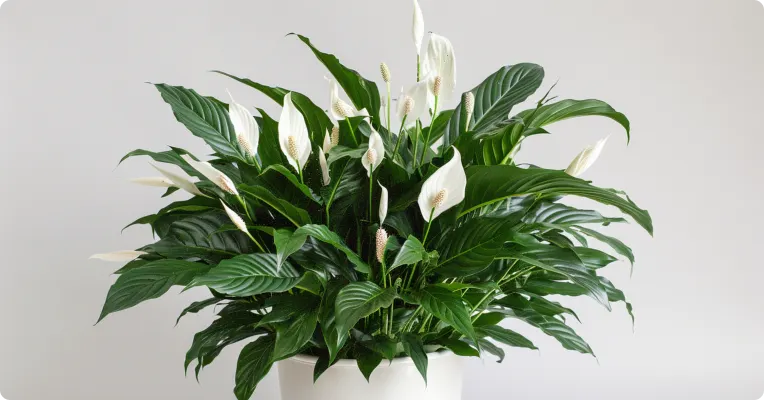
Why it’s easy: When it needs water, it tends to droop noticeably. Think of that as the plant’s built-in reminder.
Light needs: Low to medium indirect light.
Watering: Check the soil regularly and water when the upper layer begins to dry.
Pet safety: Not pet-safe. The ASPCA lists Peace Lily as toxic to dogs and cats.
Best placement: Living rooms, bedrooms, and offices with indirect light.
5. Spider Plant
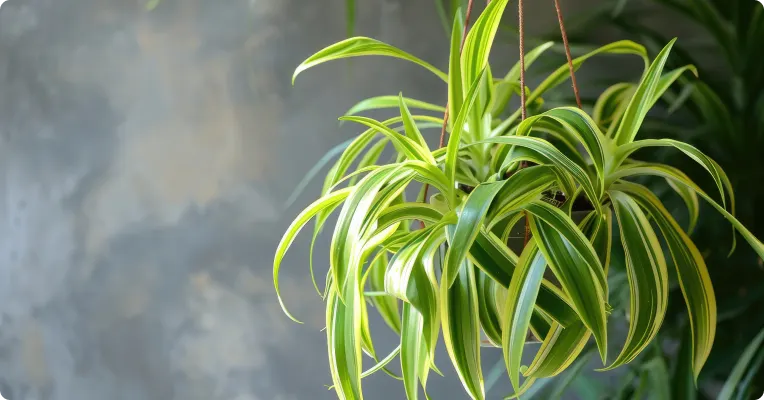
Why it’s easy: It is forgiving of occasional missed watering and adapts well to normal indoor conditions.
Light needs: Bright indirect light, although it can tolerate less.
Watering: Water when the top layer of soil begins to dry.
Pet safety: Generally pet-safe. ASPCA lists Spider Plant as non-toxic to dogs and cats.
Best placement: Desks, shelves, bedrooms, and hanging planters.
6. Aloe Vera
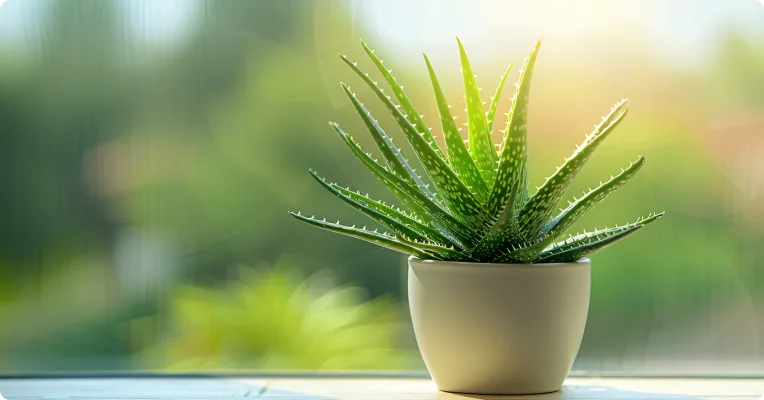
Why it’s easy: As a succulent, Aloe Vera stores water and prefers its soil to dry between waterings.
Light needs: Bright light.
Watering: Infrequent. Let the soil dry well before watering again.
Pet safety: Keep away from pets. Aloe Vera can be harmful if ingested.
Best placement: Bright windowsills, sunny balconies, and well-lit desks.
7. Jade Plant
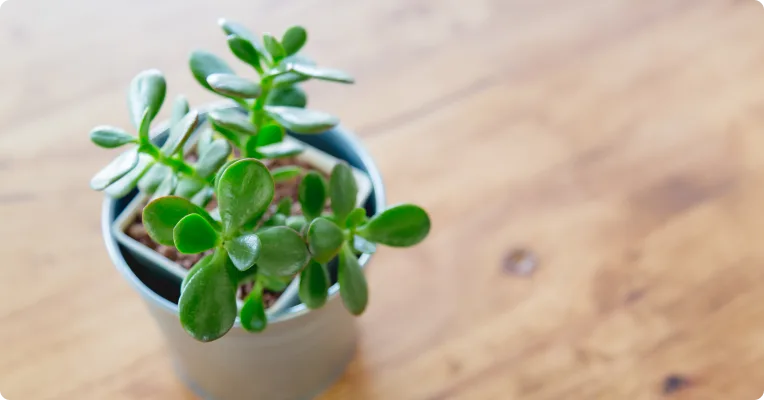
Jade Plant is another excellent choice for people who forget to water.
Why it’s easy: It is a slow-growing succulent with water-storing leaves.
Light needs: Bright indirect light to several hours of suitable direct light.
Watering: Allow the soil to dry between waterings.
Pet safety: Not pet-safe. Keep it away from pets that like to chew plants.
Best placement: Bright windows, work desks near natural light, and sunny living-room areas.
8. Chinese Evergreen (Aglaonema)
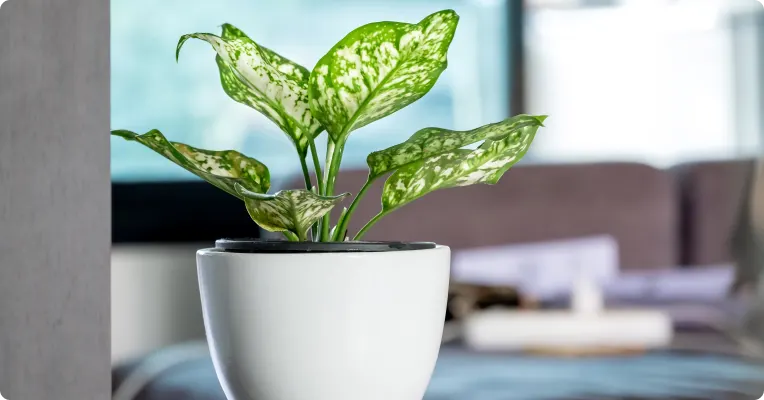
Why it’s easy: It tolerates lower light and can adapt to changing indoor humidity better than many decorative plants.
Light needs: Low to medium indirect light.
Watering: Water when the top portion of soil starts drying.
Pet safety: Not pet-safe. ASPCA includes Chinese Evergreen among plants containing insoluble calcium oxalates that can cause irritation if chewed or ingested by pets.
Best placement: Low-light living rooms, offices, bedrooms, and corridors.
It is a particularly useful option when your priority is greenery rather than having the plant right next to a sunny window.
9. Areca Palm
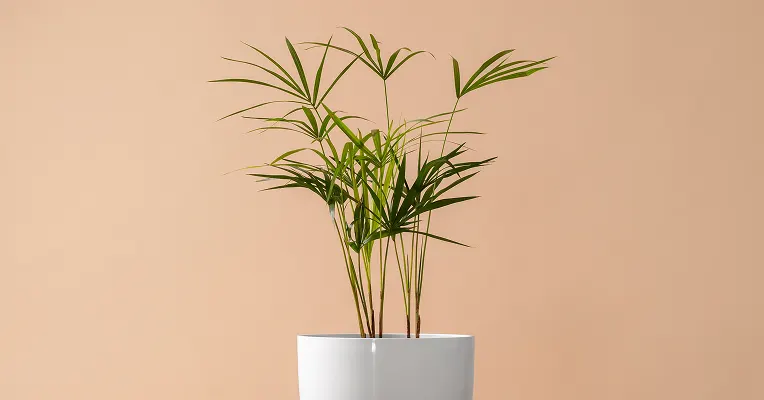
Why it’s easy: It can adapt well to indoor environments when given suitable indirect light and consistent watering.
Light needs: Bright indirect light.
Watering: Around twice a week can be a starting point, but humidity, temperature, and soil condition should determine the actual frequency.
Pet safety: Generally considered a pet-friendly choice.
Best placement: Living rooms, office corners, and larger spaces that can accommodate its spreading foliage.
10. Rubber Plant
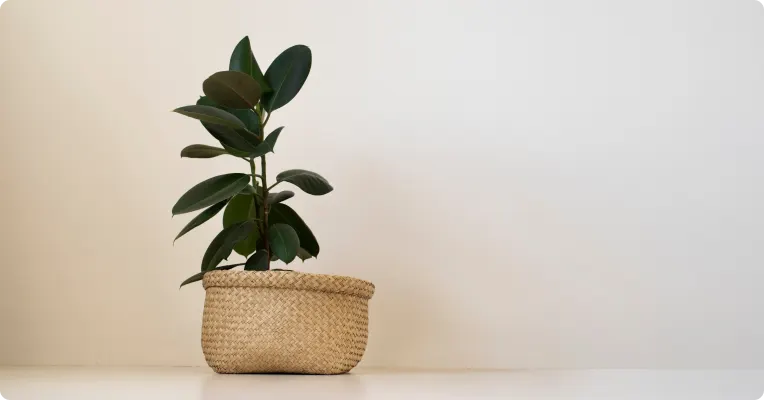
Why it’s easy: It is relatively hardy and can adapt to occasional lapses in care once established.
Light needs: Medium to bright indirect light.
Watering: Water when the upper layer of soil has dried.
Pet safety: Keep away from pets that chew plants.
Best placement: Living rooms, home offices, and bright corners.
11. Cast Iron Plant
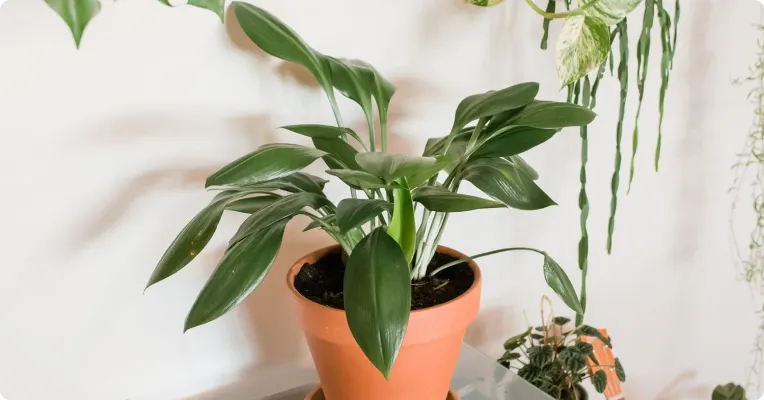
The name tells you something about its personality. Cast Iron Plant is one of the more tolerant choices for homes where light is limited and plant care is not always consistent.
Why it’s easy: It is extremely tolerant of low light and occasional neglect and is also a slow grower.
Light needs: Low to medium indirect light.
Watering: Allow the soil to partially dry before watering.
Pet safety: Generally considered pet-safe.
Best placement: Darker corners, hallways, and rooms away from strong windows.
If your previous plants died because your home simply does not get enough sunlight, this is worth considering.
12. Succulents and Mini Cactus
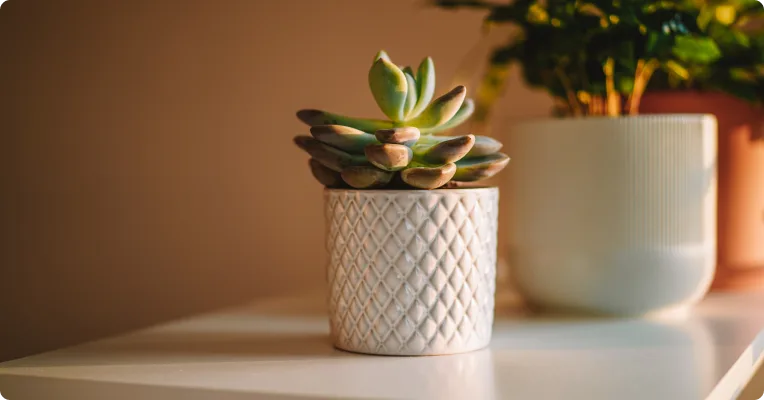
Why they’re easy: They are designed to store water and generally prefer drying out between waterings.
Light needs: Bright light.
Watering: Infrequent. A rough starting point may be around once a month, but always check the soil and the specific variety.
Pet safety: This varies by species, so verify the particular plant before bringing it into a pet-friendly home.
Best placement: Sunny desks, windowsills, and bright balconies.
The most important rule here is simple: do not water a succulent just because you water your other plants.
Match the Plant to Your Actual Home Conditions
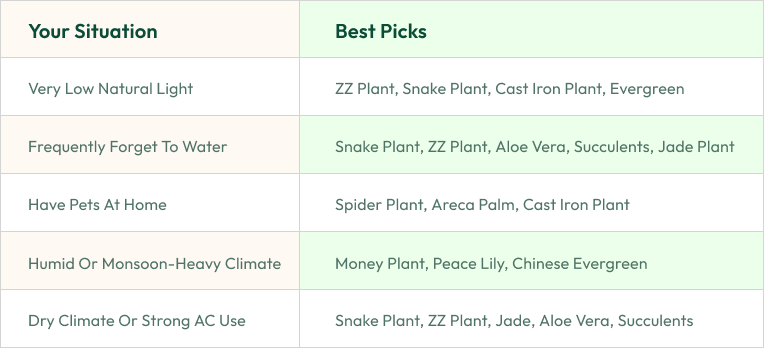
This simple matching exercise can save you from buying a beautiful plant that was never suited to your home.
Want to set up a huge garden on yourterrace? We have gardeners to help you.
Do Any Indoor Plants Really Give Oxygen 24 Hours a Day?
You may have seen claims that certain oxygen-giving indoor plants release oxygen throughout the night.
There is a real piece of botany behind this claim, but the internet often takes it much further than the science supports.
Most plants photosynthesize during the day. Through photosynthesis, they use light to produce energy and release oxygen. Plants also respire, including at night, when they take in oxygen and release carbon dioxide.
Some plants, including Snake Plant and certain succulents and orchids, use a different pathway known as CAM, or Crassulacean Acid Metabolism. CAM plants can open their stomata at night and take in carbon dioxide, which is an important adaptation in dry environments.
So, does that mean they are indoor plants that give oxygen 24 hours in a way that meaningfully changes your bedroom air?
Not really.
The nighttime gas exchange is real, but the amount of oxygen involved in an ordinary indoor setting is far too small to treat these plants as a meaningful replacement for ventilation or an air-quality system.
So choose a Snake Plant because it is resilient and attractive, not because you expect it to turn your bedroom into an oxygen generator overnight.
The same principle applies to claims about air purification. NASA’s well-known research demonstrated that plants could remove certain pollutants in controlled experimental environments. That research is useful, but it should not be interpreted as saying a few pots of houseplants can replace ventilation or air filtration in a modern home.
Common Mistakes That Kill Even the Easiest Plants
Ironically, one of the biggest threats to a low-maintenance plant is often the person trying very hard to take care of it.
Overwatering
This is probably the most common beginner mistake.
You notice the leaves looking slightly different, so you add more water. Then you notice the soil is still wet, but you water again because several days have passed.
Instead, check the soil before watering.
Putting the Plant in the Wrong Light
“Indoor plant” does not mean “no sunlight required.”
Some plants tolerate low light. Others need bright indirect light. Succulents generally need considerably more light than Snake Plants or ZZ Plants.
Ignoring Drainage
A decorative pot without drainage may look beautiful, but trapped water can create serious problems for the roots.
Always understand where excess water goes.
Repotting Too Often
A plant does not need a new pot every time it grows a new leaf.
Repot when there is a genuine reason, such as the plant becoming root-bound or the existing growing medium no longer supporting healthy growth.
Following a Calendar Instead of the Plant
“Water every Sunday” sounds convenient, but plants do not know what day it is.
Watering needs change with light, temperature, humidity, season, pot size, and soil.
Share with other gardeners:
The goal is to create a productive garden that becomes increasingly self-sustaining over time.
The Seven Garden Maintenance Mistakes Most Home Gardeners Make
Ironically, one of the biggest threats to a low-maintenance plant is often the person trying very hard to take care of it.
Overwatering
This is probably the most common beginner mistake. You notice the leaves looking slightly different, so you add more water. Then you notice the soil is still wet, but you water again because several days have passed. Instead, check the soil before watering.
Putting the Plant in the Wrong Light
"Indoor plant" does not mean "no sunlight required." Some plants tolerate low light. Others need bright indirect light. Succulents generally need considerably more light than Snake Plants or ZZ Plants.
Ignoring Drainage
A decorative pot without drainage may look beautiful, but trapped water can create serious problems for the roots. Always understand where excess water goes.
Repotting Too Often
A plant does not need a new pot every time it grows a new leaf. Repot when there is a genuine reason, such as the plant becoming root-bound or the existing growing medium no longer supporting healthy growth.
Following a Calendar Instead of the Plant
"Water every Sunday" sounds convenient, but plants do not know what day it is. Watering needs change with light, temperature, humidity, season, pot size, and soil.
Easy Doesn't Mean No Maintenance at All
Going Away for a Week or More?
This is one of the easiest ways for an otherwise healthy plant to run into trouble.
Ten days without checking soil moisture is still ten days, even if you chose the toughest plant in the nursery.
Before travelling, check your plants and make a simple plan for watering. If necessary, ask someone you trust to visit.
For longer trips, professional plant care can make the difference between returning to healthy greenery and returning to a collection of wilted pots.
Maintaining Plants in a Society Lobby or Common Area?
Shared spaces create a different challenge.
A society lobby, clubhouse, or common corridor may have perfectly suitable low-maintenance plants, but watering responsibility can become unclear when everyone assumes somebody else will do it.
A scheduled maintenance visit keeps the greenery looking intentional rather than neglected.
Bringing Plants Into an Office?
Live in Mumbai or Pune?
Generic plant-care advice does not always account for local conditions.
Mumbai’s coastal humidity and monsoon conditions can make drainage particularly important. Pune’s comparatively drier conditions and periods of heat can mean your plants need more frequent checks than a generic pan-India watering schedule suggests.
The best plant-care routine is therefore not just about the species. It is about the plant + pot + soil + light + season + local climate.
Floret Gardener Can Help Keep Easy Plants Easy
Floret Gardener provides ongoing plant care and maintenance across homes, offices, and society common areas in Pune and Mumbai, including care while you are travelling.
That matters because the easiest plant can still struggle when nobody checks it for days or weeks.
Final Thoughts
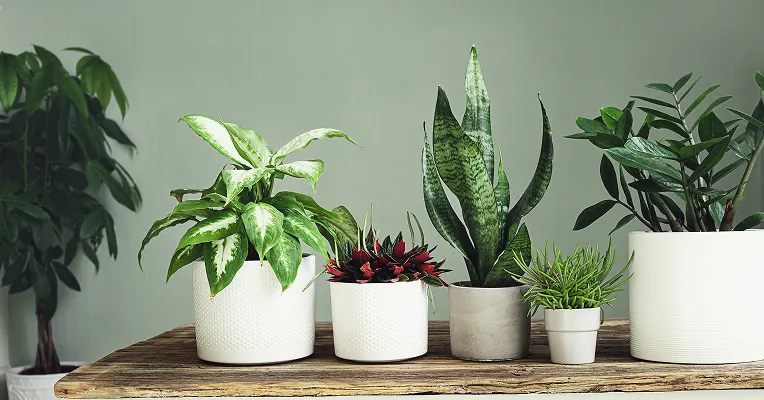
For beginners, Snake Plant, ZZ Plant, Money Plant, Cast Iron Plant and Aloe Vera are all strong options, but the best choice depends on your actual home. Consider your available light, watering habits, climate, and whether you have pets before making your decision.
And remember, low maintenance does not mean zero maintenance. A plant still needs the right light, drainage, watering, and occasional attention to thrive.
If your schedule gets busy, professional plant care can take that responsibility off your plate.
Need Help Looking After Your Plants?
Even the easiest indoor plants need a bit of consistency to truly thrive. If you would like help keeping your plants healthy at home, in your office, or across your society’s common areas in Pune or Mumbai, Floret Gardener offers professional plant care and maintenance services, including care while you are travelling.
Call 9075 088 088 or visit floretgardener.com to request a visit.
Frequently Asked Questions
Which indoor plants are easiest to take care of?
Which indoor plants need very little sunlight?
Do any indoor plants give oxygen 24 hours a day?
Which low-maintenance indoor plants are safe for pets?
Snake Plant, ZZ Plant, Pothos, Peace Lily and Chinese Evergreen should be kept away from pets that may chew them. ASPCA identifies these plants as potentially toxic if ingested.
How often should I water low-maintenance indoor plants?
Let’s Grow Something Beautiful Together
Get in touch with us for customized plant solutions and expert care.