
How to Improve Soil Quality for a Healthy Garden
- Floret Team
- September 11, 2026
 14 minutes
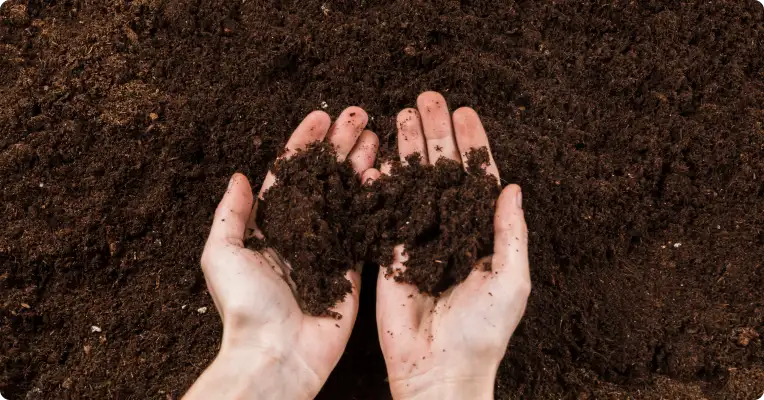
Table Of Content
- What Does Healthy Garden Soil Look Like?
- 7 Signs Your Garden Soil Needs Improvement
- How to Improve Soil Quality Step by Step
- Which Soil Amendment Should You Use?
- How to Improve Soil Quality in Pots and Containers
- Common Soil Improvement Mistakes to Avoid
- How Often Should You Improve Garden Soil?
- Soil Care During and After the Monsoon
- When Soil Problems Need Professional Garden Maintenance
- Conclusion
- Frequently Asked Questions
Keep your plants green with trusted gardening services.
Soil supports the roots, stores water and nutrients, and provides the air that roots and soil organisms need. When soil becomes compacted, drains poorly, or has very little organic matter, plants can struggle even when the rest of their care routine looks fine. Soil health depends on its physical, chemical, and biological condition, including structure, drainage, organic matter, pH, and nutrient availability.
The good news is that poor garden soil can often be improved. The first step is to understand what is wrong with it. Once you know the problem, you can choose the right amendment and change your maintenance routine accordingly.
What Does Healthy Garden Soil Look Like?
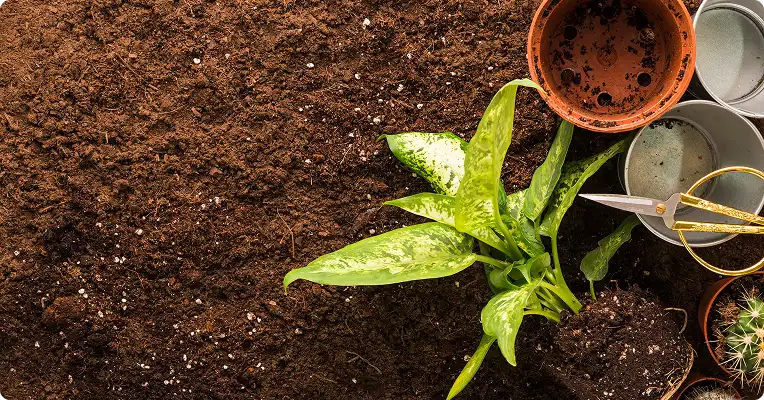
Healthy soil is more than dark-coloured dirt.
A good growing soil provides roots with enough air, water, and nutrients while giving them room to spread. It should hold enough moisture for plants to use, while allowing excess water to move away. Soil structure also matters because the spaces between soil particles determine how air and water move through the root zone.
You can look for a few simple signs:
- The soil is loose enough to dig without excessive effort.
- Water can enter the soil instead of sitting on the surface.
- The soil holds some moisture without staying saturated.
- Roots can spread without meeting a hard, compacted layer.
- Organic matter is present.
- Plants have access to the nutrients they need.
- The soil does not have a persistent foul smell caused by poor air circulation.
A healthy soil also supports microorganisms that help break down organic material and cycle nutrients. You may not see these organisms, but their activity is part of a functioning soil system.
7 Signs Your Garden Soil Needs Improvement
Before adding compost, manure, or fertiliser, take a closer look at the soil. The symptoms can tell you what needs attention.
1. Water Sits on the Surface
If water remains on the soil for a long time after watering or rain, the soil may have poor drainage or compacted areas.
Roots need both water and air. When soil remains saturated, the spaces that normally contain air can fill with water, leaving roots with less oxygen.
Poor drainage can also cause runoff, where water moves across the surface instead of entering the soil.
2. The Soil Becomes Hard and Cracks
Hard, dry soil that is difficult to dig can indicate poor structure and low organic matter.
Compacted soil has fewer spaces for air and water. It can also make it harder for roots to penetrate the growing area.
3. Plants Are Growing Slowly
Slow growth does not automatically mean your plants need more fertiliser.
Poor soil structure can restrict root growth and interfere with access to water and nutrients. Nutrient deficiencies, unsuitable pH, poor drainage and other growing conditions can also affect growth.
If several plants in the same area are struggling, look at the soil and growing conditions before reaching for another fertiliser.
4. Leaves Keep Turning Yellow
Yellow leaves can have many causes. Nutrient deficiency is one possibility, but it is not the only one.
Poor drainage can damage roots and affect their ability to take up water and nutrients. Overwatering, unsuitable light and pest problems can also produce similar symptoms.
This is why treating every yellow leaf with fertiliser can miss the actual problem.
5. The Soil Dries Out Very Quickly
Some soils lose moisture faster than plants can use it.
Adding suitable organic matter can improve the ability of soil to hold water and nutrients. Organic matter can also improve the physical structure of soil, although it does not remove the need for watering during dry periods.
6. Roots Struggle to Spread
If you find roots circling, bunching up or stopping at a hard layer of soil, compaction may be part of the problem.
Roots need space to grow through the soil. Compacted areas can restrict root penetration and reduce the movement of air and water.
7. Soil Looks and Feels Lifeless
Very dry, hard or poorly structured soil may have little visible organic activity.
Soil contains bacteria, fungi and other organisms that break down organic material and take part in nutrient cycling. Organic matter provides food for many of these organisms.
You do not need to see earthworms every time you dig to decide whether your soil is healthy. Look at the bigger picture: structure, moisture, drainage, plant growth and organic matter.
How to Improve Soil Quality Step by Step
Once you identify the problem, soil improvement becomes much easier.
1. Start by Checking Your Soil
Before changing the soil, observe it.
Take a handful of soil and look at its texture. Does it form a hard lump? Does it crumble? Is it extremely dry? Does it stay wet for a long time?
Check the area after watering or rainfall. If water pools on the surface, drainage needs attention.
You can also dig a small section around an established plant and look at the root zone. If the soil is very hard or the roots have difficulty moving through it, compaction may be limiting growth.
For persistent problems, a soil test can provide information about pH, nutrients and organic matter. Soil tests are more useful than guessing when a garden repeatedly shows nutrient-related problems.
2. Add Organic Matter
Adding suitable organic matter is one of the most common ways to improve garden soil.
Compost and well-decomposed organic materials can improve soil structure, water-holding capacity and nutrient retention. In compacted soils, organic matter can also create better conditions for air and water movement.
For a garden bed, this could mean incorporating mature compost into the soil before planting.
The quality of the material matters. Compost should be well decomposed and have an earthy smell. Fresh manure should not be placed directly around established plants because it can damage roots. Composted manure is generally preferred over fresh manure for garden use.
Also avoid the assumption that adding more compost will always produce better soil. Excessive applications, particularly of manure-based compost, can lead to excessive nutrient levels and other soil problems.
3. Improve Drainage Where Needed
Good drainage does not mean soil should dry out immediately.
The aim is to allow excess water to move away while retaining enough moisture for the plants.
If a garden bed is compacted, loosening the soil and incorporating appropriate organic matter can improve its structure. In containers, check that drainage holes are open and that the growing medium is not so dense that water remains around the roots.
However, organic matter cannot solve every drainage problem. If a garden is in a low-lying area where water has nowhere to go, simply adding more compost will not fix the underlying issue. The drainage path itself may need to be addressed.
4. Reduce Soil Compaction
Compacted soil leaves less space for air and water and can restrict root growth.
Avoid repeatedly walking over planting beds. Do not work very wet soil unnecessarily, since this can damage soil structure.
For an already compacted area, loosen the soil carefully and add suitable organic matter. Avoid excessive digging or tilling. Repeated disturbance can break down soil structure and disturb the organisms living in it.
The goal is to create a better root environment, not to keep turning the soil every few weeks.
5. Improve Moisture Retention
If your soil dries very quickly, organic matter can help it hold water for longer.
Compost can improve the water-holding capacity of sandy soils, while organic matter can also improve drainage and aeration in heavier soils.
Mulching the soil surface can help reduce evaporation as well. A layer of suitable mulch protects the surface and reduces direct exposure to heat and drying conditions.
This does not mean you can stop watering. Plants still need water during dry weather. The aim is to reduce unnecessary moisture loss and give the soil a better ability to hold available moisture.
6. Feed the Soil, Not Just the Plant
Fertiliser and soil amendments do different jobs.
Fertiliser supplies nutrients. Organic matter improves the physical and biological condition of the soil and can also supply some nutrients as it decomposes.
If the soil is compacted or poorly drained, adding more fertiliser may not solve the problem. Roots still need air, water and space.
This is why a good garden maintenance routine looks at the soil condition along with plant growth. If plants are repeatedly showing the same symptoms, it is worth finding the underlying cause instead of increasing the amount of fertiliser.
7. Protect the Soil With Mulch
Bare soil is exposed to heat, drying and surface disturbance.
A suitable mulch layer can help conserve moisture and moderate soil temperature. As organic mulch breaks down, it can also add organic material to the soil over time.
Keep mulch slightly away from the base of plant stems. A thick pile pressed directly against stems can create moisture-related problems.
Mulch is a maintenance tool, not a replacement for proper soil preparation.
Which Soil Amendment Should You Use?
The right amendment depends on the problem you are trying to solve.
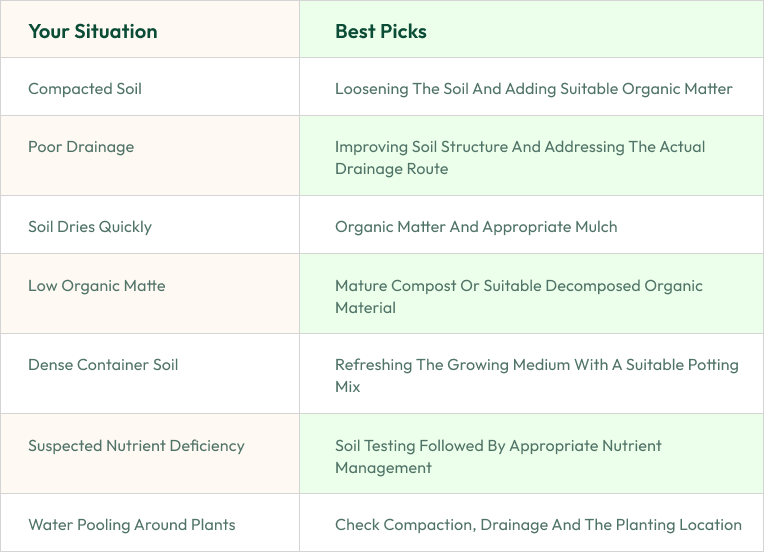
One common mistake is using the same amendment for every soil condition. Soil texture, plant requirements, drainage and existing nutrient levels all matter.
For example, adding sand to heavy soil is often suggested as a quick drainage fix. Extension guidance warns that sand used alone can make some clay or silt soils more compacted. Organic matter is generally a better starting point for improving many garden soils.
How to Improve Soil Quality in Pots and Containers
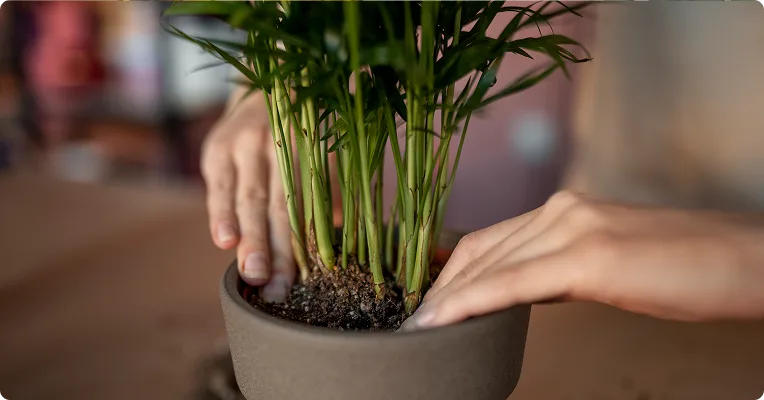
Container plants need a slightly different approach because they do not have the same soil volume or drainage conditions as plants growing in the ground.
Ordinary garden soil can become dense inside a pot. A suitable growing medium gives roots the air, moisture and support they need.
Check your pots regularly for:
- Blocked drainage holes
- Soil that has become hard or compacted
- Water collecting in the tray
- Roots filling the container
- A growing medium that has broken down and lost its structure
When repotting, choose a growing medium suited to the particular plant. Succulents, tropical foliage plants, flowering plants and herbs can have different requirements.
Avoid following one soil recipe for every plant in your home.
Common Soil Improvement Mistakes to Avoid
Adding fertiliser whenever a plant looks unhealthy
Yellow leaves or slow growth can have several causes. Check light, watering, roots and soil conditions before increasing fertiliser.
Overwatering after adding compost
Improved soil still needs the right watering routine. More water is not automatically better.
Using fresh manure around plants
Fresh manure can injure tender roots. Use properly decomposed material instead.
Ignoring drainage
If water has nowhere to go, adding more organic material will not solve the entire problem.
Treating every plant the same
Plants have different requirements for moisture, drainage, nutrients and soil conditions. A soil mix that works well for one plant may be unsuitable for another.
Adding too much compost
Compost is useful, but excessive applications can lead to nutrient accumulation and other problems. Soil improvement should be based on what the soil actually needs.
Disturbing the soil too often
Constant digging can damage soil structure and disturb the organisms living in it. Once the soil has been improved, give it time to settle and develop.
How Often Should You Improve Garden Soil?
A garden bed should be assessed according to its condition, the plants growing there and the amount of organic matter already present.
A practical routine is to check the soil during seasonal maintenance:
- Look for compaction.
- Check how water moves through the soil.
- Inspect plants for repeated growth problems.
- Add suitable organic matter when needed.
- Use mulch where appropriate.
- Adjust watering according to weather and soil moisture.
- Consider soil testing when nutrient or pH problems are suspected.
The aim is to maintain good soil conditions rather than repeatedly correcting major problems.
Soil Care During and After the Monsoon
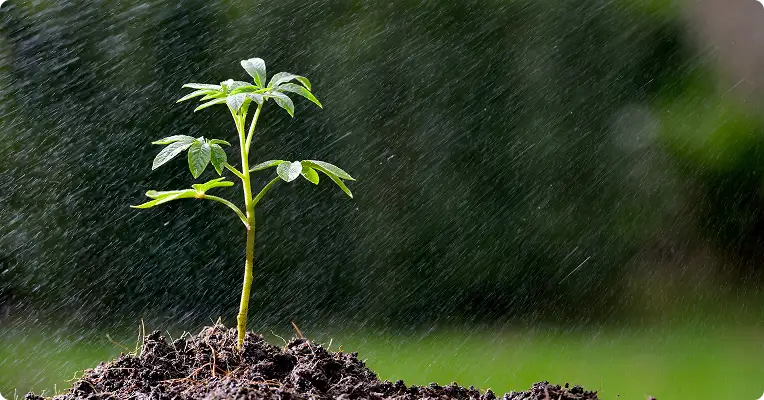
Heavy rainfall can quickly reveal problems that were easy to miss during dry weather.
When Soil Problems Need Professional Garden Maintenance
Some soil problems are easy to manage yourself. Others are part of a larger garden maintenance issue.
Professional help can be useful when:
- A garden repeatedly becomes waterlogged.
- Plants keep declining despite regular care.
- Soil has become heavily compacted.
- Large garden beds need regular soil conditioning.
- A society garden requires scheduled maintenance.
- An office garden needs consistent plant and soil care.
- Seasonal changes are affecting plant health across several areas.
Conclusion
Healthy soil gives plants a better place to grow. It needs the right balance of air, water, organic matter and nutrients, along with enough space for roots to develop.
Get products for nutritious soil, or hire professional gardeners for hassle-free gardening.
Frequently Asked Questions
How can I improve the quality of my garden soil?
What can I add to soil to make it better?
How do I know if my soil is unhealthy?
Is compost better than fertiliser for improving soil?
How can I improve drainage in garden soil?
Let’s Grow Something Beautiful Together
Get in touch with us for customized plant solutions and expert care.