
Best Indoor Plants for Low-Light Spaces
- Floret Team
- September 18, 2026
 15 minutes
Table Of Content
- Best Indoor Plants for Low-Light Spaces
- What Does Low Light Mean for Indoor Plants?
- 10 Best Indoor Plants for Low-Light Spaces
- Which Low-Light Plant Is Right for Your Space?
- The Biggest Mistake People Make With Low-Light Plants
- How to Care for Indoor Plants in Low-Light Spaces
- Can Indoor Plants Survive Without Sunlight?
- What About a Completely Windowless Office?
- Low-Light Plants for Mumbai and Pune Homes
- Common Mistakes to Avoid With Low-Light Indoor Plants
- When Should You Consider Professional Indoor Plant Maintenance?
- Final Thoughts
- Frequently Asked Questions
Keep your plants green with trusted gardening services.
Not every home has a bright window in every room. Some bedrooms get only a little daylight, office desks may be far from windows, and some corners of the living room stay shaded throughout the day.
What Does Low Light Mean for Indoor Plants?
- Rooms with limited daylight
- North-facing rooms
- Corners away from windows
- Shelves that receive indirect daylight
- Office desks are located away from windows
- Hallways with some natural light
10 Best Indoor Plants for Low-Light Spaces
1. Snake Plant
Light: Low to bright indirect light
Watering: Let the soil dry well between watering.
Best for: Bedrooms, offices, living-room corners and shelves
Care tip: Do not water it more often just because it is sitting in a dark corner. In lower light, the plant may use water more slowly, so constantly wet soil can become a problem.
2. ZZ Plant
Light: Low to medium indirect light
Watering: Allow the soil to dry considerably before watering again.
Best for: Office cabins, bedrooms, living rooms, and darker corners
Care tip: Do not expect frequent new leaves in a low-light spot. Slow growth does not necessarily mean the plant is unhealthy.
3. Money Plant
Light: Low to medium indirect light
Watering: Check the soil before watering and allow it to dry partially between waterings.
Best for: Shelves, hanging planters, workspaces and living rooms
Care tip: If you have a variegated variety, you may notice that the leaf patterns become less pronounced when the plant does not receive enough light.
4. Aglaonema
There are several varieties with different shades and leaf patterns, and many can tolerate lower-light indoor conditions.
Light: Low to medium indirect light
Watering: Keep the soil moderately moist, but do not leave it waterlogged.
Best for: Living rooms, offices, reception areas and shaded corners
Care tip: Not every Aglaonema variety has exactly the same light requirement. Plants with more variegation may need brighter indirect light to maintain their patterns.
5. Peace Lily
There is one thing to keep in mind. Low light may be enough for the plant to stay alive and healthy, but you may see fewer flowers.
Light: Low to medium indirect light
Watering: Check the soil regularly and water when needed.
Best for: Bedrooms, living rooms and offices
Care tip: If flowering is important to you, give the plant brighter indirect light rather than keeping it in the darkest corner of the room.
6. Cast Iron Plant
Cast Iron Plant is a good option for areas where other plants may struggle with limited light.
It is slow-growing and can tolerate neglect better than many indoor plants.
Light: Low to indirect light
Watering: Allow the soil to dry partially before watering again.
Best for: Hallways, shaded corners, offices and areas away from windows
Care tip: This is a slow-growing plant. Do not move it around or change its care routine constantly because you are not seeing new leaves every week.
7. Heartleaf Philodendron
Heartleaf Philodendron works particularly well if you like trailing plants.
You can let it fall from a shelf or hanging planter, or train it along a support. It can tolerate lower light, although brighter indirect light usually gives better growth.
Light: Low to medium indirect light
Watering: Allow the soil to dry partially before watering.
Best for: Shelves, hanging planters, desks and living rooms
Care tip: If the stems become long and stretched with large gaps between the leaves, the plant may need a brighter spot.
8. Lucky Bamboo
Lucky Bamboo is often used on desks, counters and shelves because it does not need direct sunlight.
It can be grown in water or soil, depending on the setup.
Light: Low to medium indirect light
Watering: For water-grown plants, keep the water clean and monitor the roots. For soil-grown plants, check the soil before watering.
Best for: Work desks, reception counters, shelves and small rooms
Care tip: Keep it away from harsh direct sunlight. Low to moderate indirect light is usually easier to manage.
9. Syngonium
Light: Low to medium indirect light
Watering: Let the soil dry slightly between waterings.
Best for: Desks, shelves, small rooms and indoor corners
Care tip: Trim it when needed if you want to keep the plant compact rather than letting it become too long and trailing.
10. Spider Plant
Spider Plant is another adaptable option for indoor spaces.
It can tolerate lower light, although it generally grows better when it receives good indirect light.
Light: Low to bright indirect light
Watering: Check the soil before watering and avoid keeping it constantly wet.
Best for: Bedrooms, office desks, shelves and kitchens
Care tip: If the plant is looking weak or growth has slowed considerably, check whether it can be moved closer to a source of indirect daylight.
Which Low-Light Plant Is Right for Your Space?
Choosing a plant becomes easier when you start with the room rather than the plant.
1. For a very dim corner
These are among the better choices when the available light is limited.
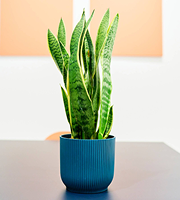
Snake Plant
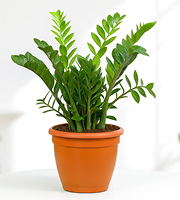
ZZ Plant
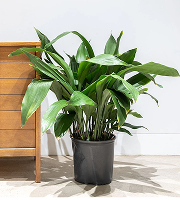
Cast Iron Plant
2. For a low-light living room
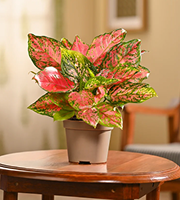
Aglaonema
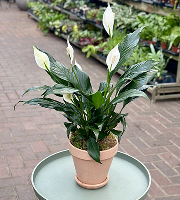
Peace Lily
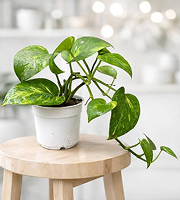
Money Plant
3. For an office desk
They are compact options that do not need bright direct sunlight.
ZZ Plant
Snake Plant
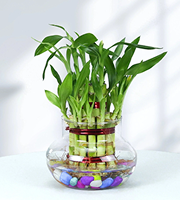
Lucky Bamboo
4. For a shelf or hanging planter
Money Plant
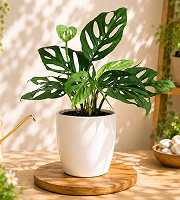
Heartleaf Philodendron
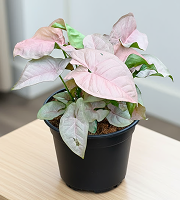
Syngonium
5. For a room with air conditioning
The Biggest Mistake People Make With Low-Light Plants
It is usually not a lack of water. It is too much water.
This happens because people see a plant sitting in a dark room and assume it needs more care. They water it every few days because they are worried that the plant is not getting enough light.
But lower light can also mean slower growth and slower water use. That is why the soil stays wet.
Then the roots sit in that wet soil for too long.So, instead of following a fixed watering schedule, check the soil first.
Before watering, look for:
- Is the soil still wet?
- Has the upper layer dried?
- Does the pot have proper drainage?
- Is water sitting in the saucer?
- Has the plant been getting less light than usual?
The answer will tell you more than a schedule will.
How to Care for Indoor Plants in Low-Light Spaces
Keep Plants Where They Can Use Available Light
Do not automatically put a low-light plant in the darkest corner of the room.
If there is a window, use the available daylight. You can keep the plant away from direct sun while still giving it enough indirect light.
Check the Soil Before Watering
Keep the Leaves Clean
Wipe broad leaves gently when they become dusty. This also gives you a chance to notice pests, spots or other changes early.
Check the Drainage
A drainage hole should be clear, and excess water should have somewhere to go.
A low-light plant sitting in a pot with poor drainage is much more likely to develop problems if the soil remains wet.
Watch the Plant
Your plant will tell you when something is changing.
Look out for:
- Yellowing leaves
- Smaller new leaves
- Long, stretched stems
- Leaf drop
- Brown edges
- Soil that stays wet for too long
These signs do not always point to one problem. Check the light, watering, drainage and general condition before changing several things at once.
Can Indoor Plants Survive Without Sunlight?
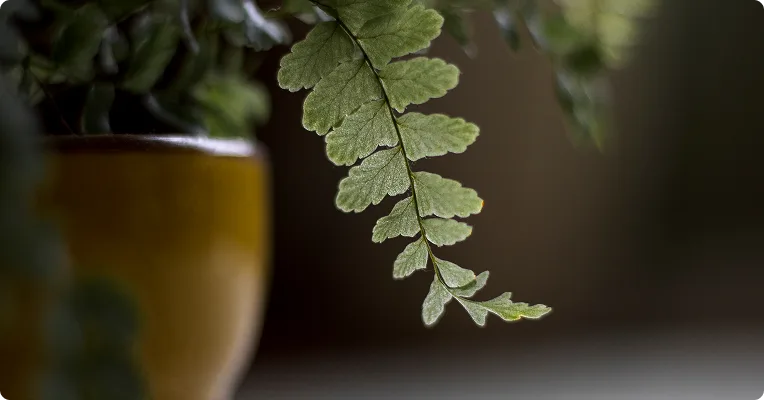
They can survive without direct sunlight, but they cannot grow indefinitely without usable light.
This is an important difference.
A room can be bright even when direct sunlight does not reach the plant. Indirect daylight can be enough for many low-light plants.
A completely windowless room is different. If there is no natural light reaching the plant, you will need an artificial light source if you want to keep it growing over the long term.
So when someone says, “I need a plant that can survive without sunlight,” the first question should be:
How much light does the room actually have?
If there is some daylight, you have several options. If there is none, look at artificial lighting before choosing the plant.
What About a Completely Windowless Office?
A windowless office should not be treated as an ordinary low-light space.
If there is no natural light, plants will eventually struggle without an alternative light source. A suitable grow light can provide the light they need.
Low-Light Plants for Mumbai and Pune Homes
Indoor plant care can change with local weather and the conditions inside your home.
In Mumbai, humidity can mean that soil takes longer to dry, particularly during the monsoon. Good drainage becomes especially important. Avoid watering simply because it has been several days since the last watering.
In Pune, indoor conditions can change between dry periods, monsoon weather and cooler months. Some rooms may dry out quickly, while others remain humid or receive very little direct light.
Air conditioning adds another variable.
The same Snake Plant can behave differently in two homes because one is beside a bright window and the other is in a dim room. One may have a small pot with fast-draining soil, while the other may have a large container that stays wet for days.
So avoid copying someone else’s watering schedule simply because they have the same plant.
Look at the plant and the conditions around it.
Common Mistakes to Avoid With Low-Light Indoor Plants
Assuming low light means no light
Low-light plants still need light. A dark room is not automatically a suitable room for a low-light plant.
Watering every week
Putting every plant in the darkest corner
A plant that tolerates low light may still grow better when it receives more indirect light.
Choosing plants only because they look good
A beautiful plant that needs bright light will not necessarily perform well in a dim room.
Ignoring drainage
If the soil stays wet for days, changing the watering schedule may not be enough. Check the pot and growing medium too.
Expecting fast growth
Plants generally grow more slowly when light is limited. A plant producing fewer leaves does not automatically mean something is wrong.
Keeping plants directly under AC vents
Strong airflow can dry leaves and affect the plant’s growing conditions.
When Should You Consider Professional Indoor Plant Maintenance?
Keeping a few indoor plants at home is manageable for most people. It becomes harder when you have plants spread across several rooms, an office with multiple work areas or a society with common spaces.
Professional maintenance can help when:
- Plants need regular watering and care.
- You travel often.
- Several plants have different care requirements.
- Office plants need regular monitoring.
- Plants are placed across reception areas, cabins and common spaces.
- You keep seeing yellowing, pests or other plant-health problems.
- You are unsure whether certain spaces are suitable for the plants you have chosen.
Floret Gardener provides plant maintenance for homes, offices and society spaces in Pune and Mumbai. The service covers routine plant care such as watering, pruning, fertilisation and plant health checks.
For spaces where plants are part of the regular environment, having someone responsible for their upkeep can make plant maintenance much easier to manage.
Final Thoughts
A low-light room does not mean you have to give up on indoor plants.
The trick is to choose plants that match the light available in your space. Snake Plant, ZZ Plant, Money Plant, Aglaonema, Peace Lily and Cast Iron Plant are good places to start if you have limited natural light.
Then pay attention to the basics. Check the soil before watering. Make sure excess water can drain out. Give plants access to whatever natural or artificial light is available. And do not expect a plant kept in a dim corner to grow at the same speed as one sitting beside a bright window.
Start with the room you have. Then choose the plant that fits it.
Get products for nutritious soil, or hire professional gardeners for hassle-free gardening.
Frequently Asked Questions
Which indoor plants are best for low-light spaces?
Can indoor plants survive without sunlight?
Which indoor plant needs the least light?
How often should I water low-light indoor plants?
Let’s Grow Something Beautiful Together
Get in touch with us for customized plant solutions and expert care.